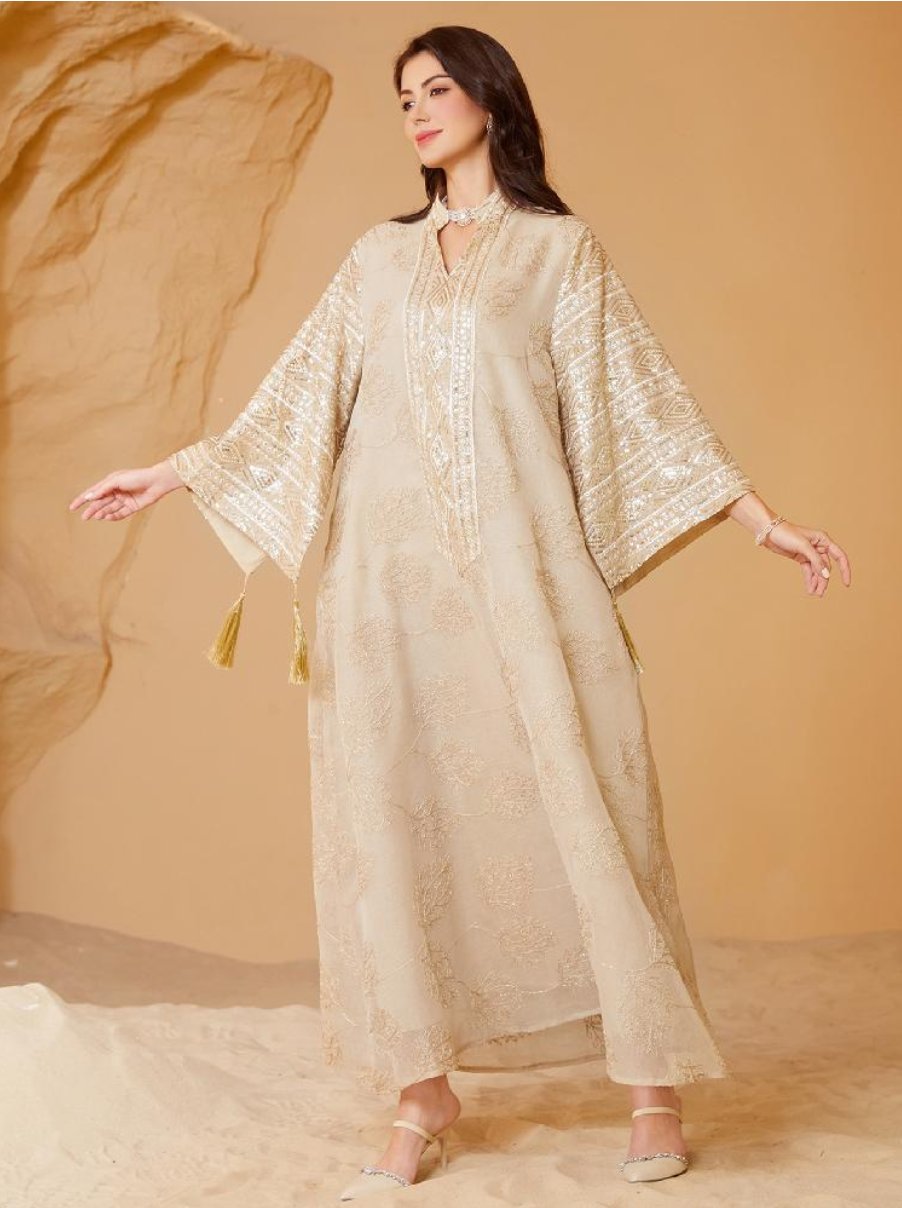
Everyday
The everyday wrap
A jersey or cotton hijab in a neutral colour — grey, navy, camel, or black. No pinning required for most jersey hijabs. Pull, wrap, and go. Key pieces: jersey hijab, inner cap or bonnet, no pins needed for jersey fabric.
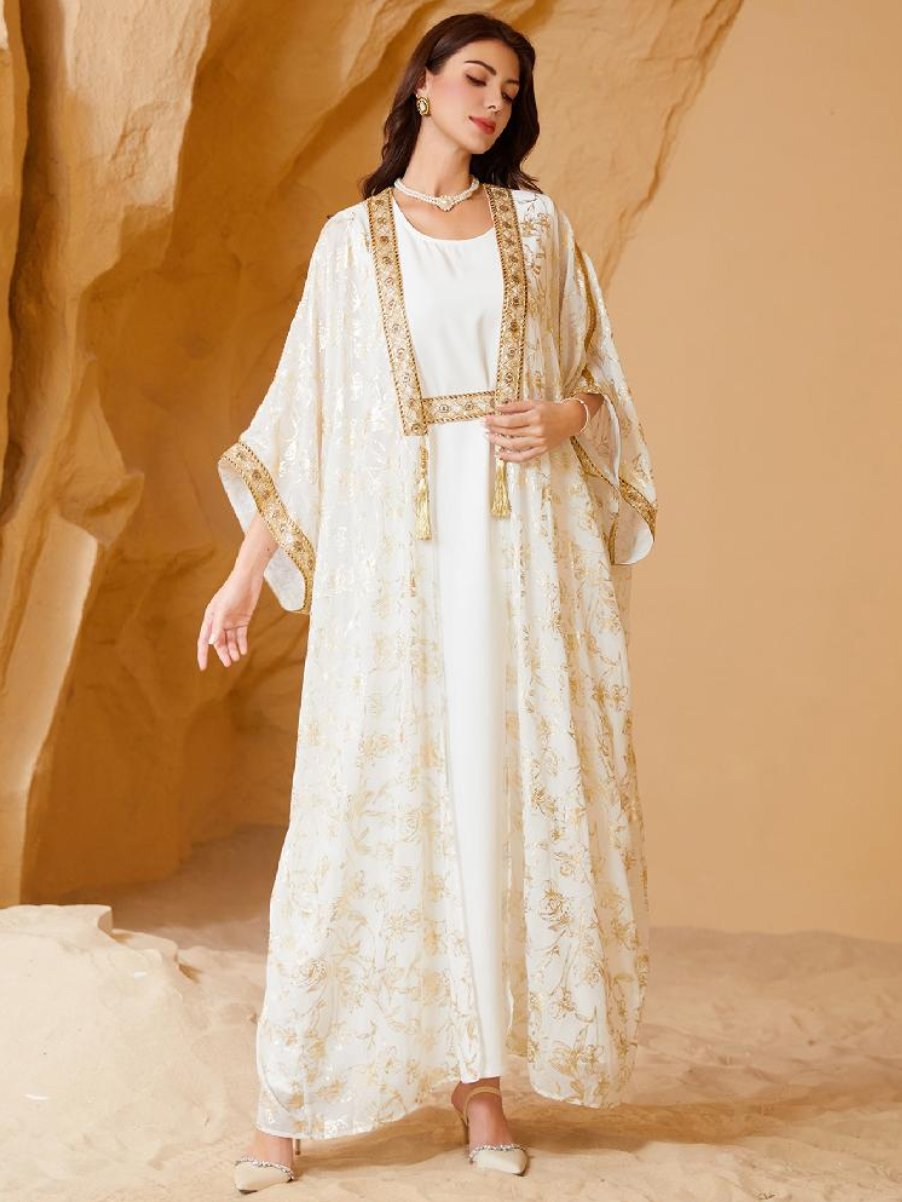
How to Wear · Hijab
Your hijab is not an afterthought — it is the frame for your whole look. Here is how to style it confidently for every context, from office Mondays to Eid celebrations.
Shop hijabsEveryday wrap, formal drape, and professional wrap—three hijab modes from the P0 guide.
A jersey or cotton hijab in a neutral colour — grey, navy, camel, or black. No pinning required for most jersey hijabs. Pull, wrap, and go. Key pieces: jersey hijab, inner cap or bonnet, no pins needed for jersey fabric.
A chiffon or silk hijab in a coordinated or complementary colour. A softer, more voluminous drape with the fabric falling gently over the shoulder. Key pieces: chiffon or georgette hijab, inner cap, 2-3 pins, optional brooch at the shoulder.
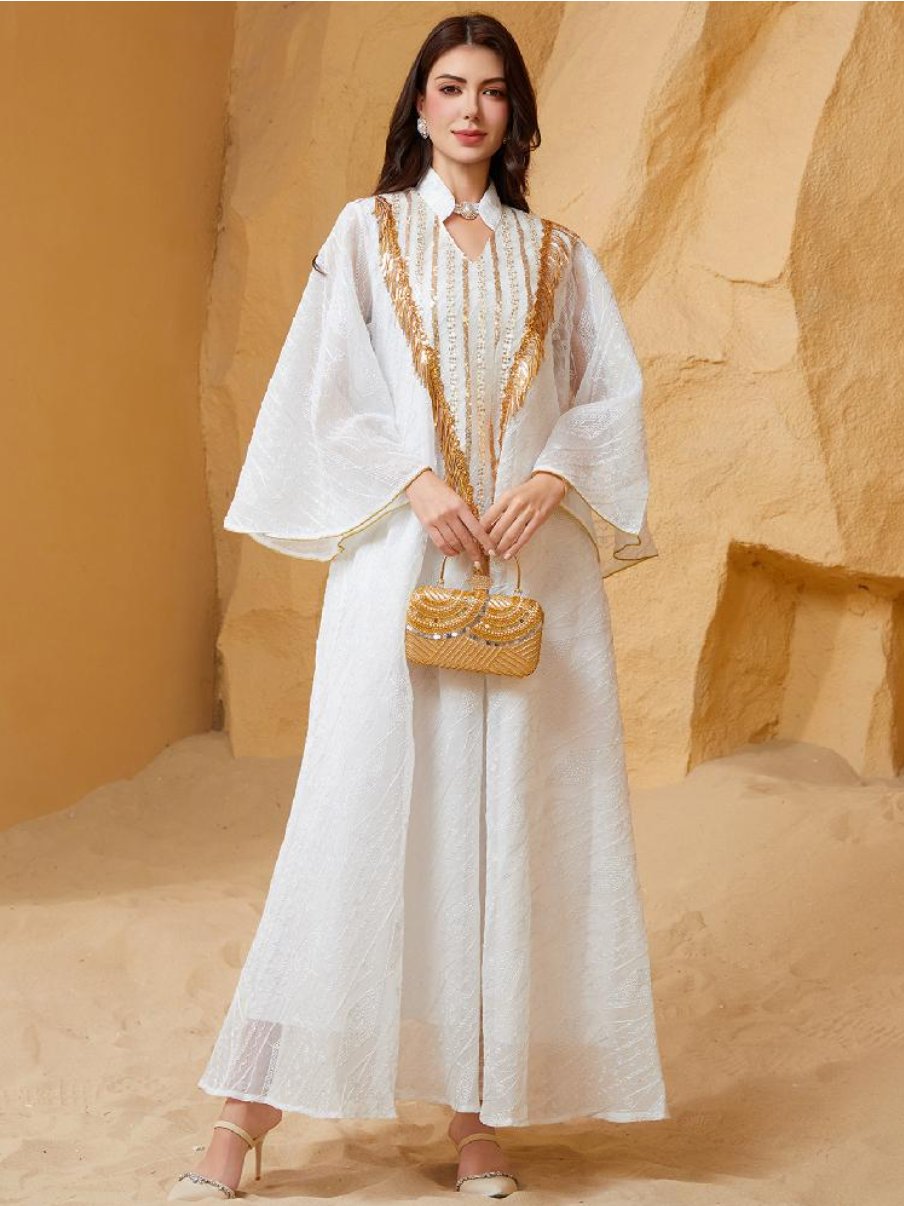
A neat, fitted wrap in a solid neutral — the hijab stays close to the face and neck with minimal volume. Professional, secure, and polished all day. Key pieces: crepe or cotton hijab in neutral, inner cap, 2 pins, no volume or drape.
Fabric, colour matching, and face framing—so the drape always feels intentional.
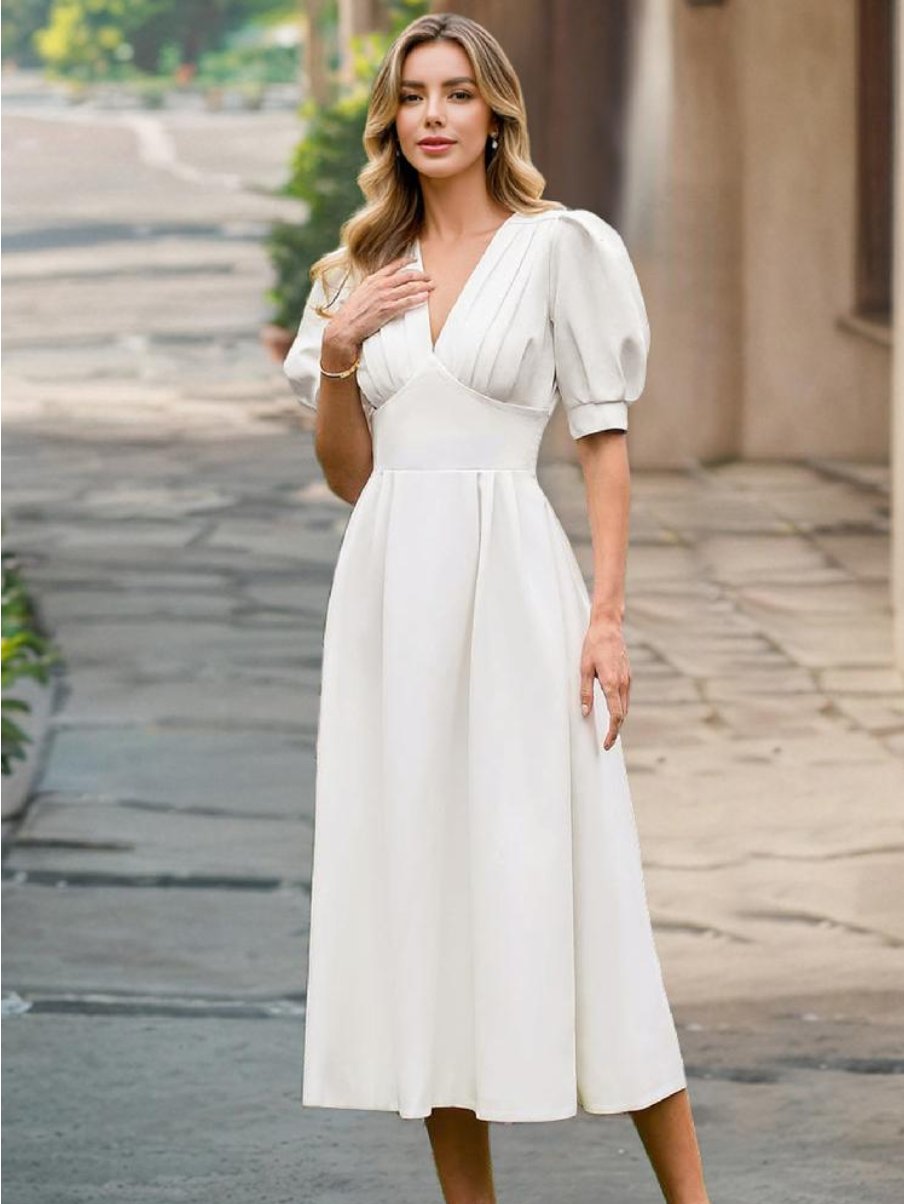
Everyday: jersey or cotton (no-pin comfort). Work: crepe or cotton (structured, secure). Evening or wedding: silk or chiffon (drapes beautifully, catches light). Beach and summer: bamboo or viscose (breathable).
Rule 1: match to your outfit's neutral, not its accent. Rule 2: if your outfit is bold or printed, choose a plain hijab. Rule 3: if your outfit is plain, you can use your hijab as the colour statement.
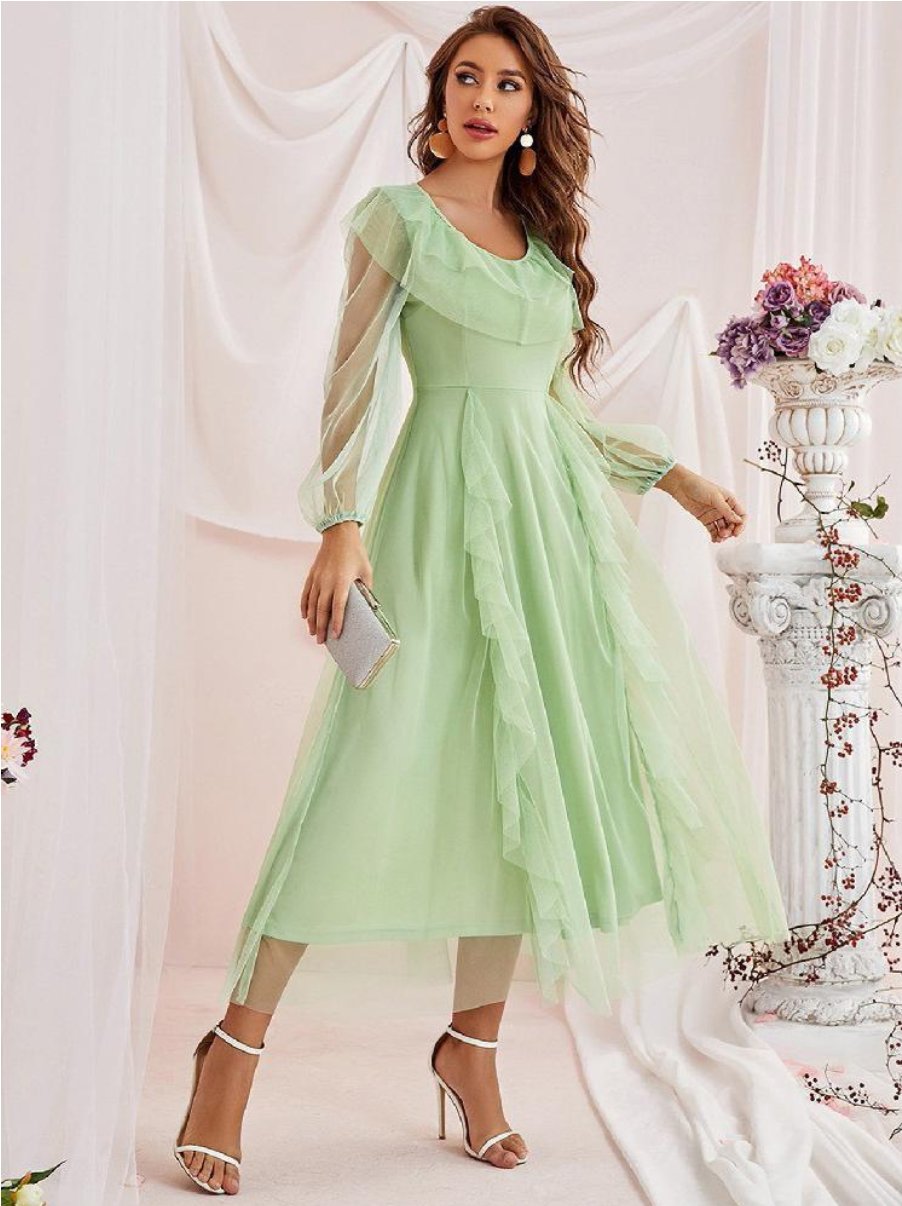
Bring the fabric closer to the face for a more polished look. A loose, pulled-back hijab can look casual even with a formal outfit. The face frame is the first thing people see.
One colour in three fabrics, undercap, pre-styling, and pin tension for long days.
If you love camel, own it in jersey (everyday), crepe (work), and chiffon (events). You are solved for every context in one colour.
A full coverage undercap gives you a smooth base and means you only need to style the outer fabric — much easier.
Pre-style your hijab the night before formal events. Practice your formal drape in advance, pin it, and you will put it on perfectly under pressure.
Start with a slightly tighter pin placement than you think you need. Hijabs loosen across a day — build in the adjustment.
Short answers to the questions we are asked most often.
For a wedding, choose a silk or chiffon hijab in a colour that complements your outfit. Use a soft, voluminous drape with the fabric falling over the shoulder. Secure with 2-3 pins. A brooch at the shoulder or chest adds an elegant finishing touch. Avoid jersey or cotton hijabs for formal events — the fabric does not drape the same way.
Crepe or cotton hijabs in a solid neutral colour are best for the office. These fabrics hold their shape through a long workday, do not require constant adjustment, and read as professional. Avoid chiffon for work — it is harder to keep neat during an active day.
Match your hijab to the neutral base of your outfit, not its accent colour. If you are wearing a teal dress with gold embroidery, try a champagne or ivory hijab rather than teal or gold. If your outfit is all-neutral, your hijab can be the colour accent. The simpler rule: when in doubt, nude, ivory, or grey match everything.
Use an inner cap or bonnet for a secure base. Pin under the chin with one pin and at the shoulder with a second. For long days or formal events, add a third pin at the chest. Safety pins are quieter and less likely to come loose than open-ring pins.
Discover what to wear on a date night as a modest dresser. Kaftans, abayas and maxi dresses styled for romantic evenings, indoor dining and sunset walks.
FRIDAYIN StyleEveryday modest fashion that is comfortable, stylish, and easy to put together. Outfit ideas for running errands, café meetings, shopping trips, and casual days out.
FRIDAYIN StyleLearn how to style an abaya for different occasions. From everyday casual to formal events — distinct ways to wear an abaya with accessories, hijab, and underlayers.